

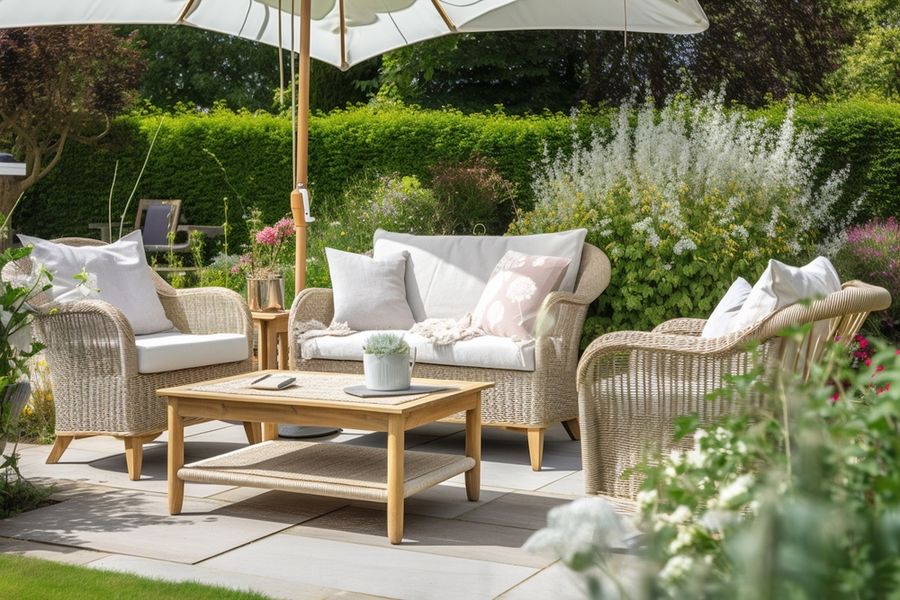
A beautiful patio or backyard isn’t much use if no one ever wants to sit there. The most inviting outdoor spaces are designed around comfort, convenience, and the way people actually spend their time. Shade, seating, lighting, and a little privacy can matter far more than expensive furniture or elaborate landscaping. When the space feels easy to use, it’s far more likely to become part of everyday life instead of sitting empty.
Start With How You Want to Use the Space
Before buying furniture or adding decor, decide what you actually want to do outside. Some people want a place for morning coffee, while others need room for family dinners, reading, entertaining, or watching kids play.
That purpose should guide the layout. A dining area needs enough room to pull chairs out comfortably, while a lounging area works better with softer seating and side tables. Trying to make one small patio handle every possible activity can leave it feeling cramped. Focus on the one or two uses that matter most, then build around them. A clear purpose usually leads to a space that feels more natural and easier to enjoy.
Make the Seating Comfortable Enough to Stay Awhile
Outdoor furniture can look stylish and still be uncomfortable. Thin cushions, awkward seat heights, and stiff chairs often discourage people from lingering, even when the setup looks great in photos.
Choose seating that feels good for more than a few minutes. Deep chairs, cushioned benches, and loungers can make the space feel more like an extension of the home. Add side tables so drinks, books, and phones have somewhere to go. If space is tight, look for pieces that can serve more than one purpose, such as an ottoman that doubles as extra seating. Comfort is what turns an outdoor area from decoration into a place people actually use.
Build in Shade and Weather Protection
A patio that’s too hot, too exposed, or constantly hit by strong sun won’t get much use. Shade is one of the most important features to plan for, especially in spaces that receive direct afternoon light.
Umbrellas, pergolas, retractable awnings, shade sails, and covered porches can all make an outdoor area more comfortable. Even strategically placed trees or tall plantings can help. Think about wind and light rain as well, since partial shelter can extend the amount of time you can spend outside. The goal isn’t to block the outdoors completely, but to make the space usable across more hours of the day and more types of weather.
Add Lighting for the Hours After Sunset
A space that disappears into darkness after dinner is only half finished. Good outdoor lighting makes the area more useful and can also make it feel more inviting once the sun goes down.
Layer the light rather than relying on one bright fixture. String lights, lanterns, sconces, pathway lights, and low-voltage landscape lighting can create a softer atmosphere while still making the space functional. Focus on seating areas, walkways, steps, and entrances first. Avoid overly harsh bulbs that flatten the mood. Warm, lower-level lighting usually feels more comfortable and helps the outdoor area transition naturally from daytime to evening use.
Create a Little Privacy
Even a well-designed patio can feel uncomfortable if it’s completely exposed to neighbors or the street. A sense of enclosure can make the space feel more relaxing without closing it off entirely.
Tall planters, trellises, outdoor curtains, screens, and layered landscaping can all create privacy while still allowing light and airflow. You don’t need to block every view. Often, screening the most exposed side is enough to make the area feel more intimate. Choose solutions that fit the scale of the yard so they don’t make a small space feel boxed in. A little separation can make a major difference in how often people choose to spend time outside.
Make It Easy to Maintain
Outdoor spaces tend to get ignored when using them feels like work. Furniture that needs constant covering, cushions that have nowhere to go, or plants that require daily attention can make the area feel more demanding than relaxing.
Choose materials and features that suit your lifestyle. Weather-resistant furniture, washable cushions, storage benches, and low-maintenance plants can all reduce upkeep. Keep a small basket or deck box nearby for blankets, toys, or outdoor accessories so cleanup stays simple. The easier the space is to reset, the more likely it is to be used regularly. Convenience matters just as much as appearance.
A Good Outdoor Space Should Fit Real Life
The most successful outdoor spaces aren’t the ones with the most furniture or the biggest budgets. They’re the ones that feel comfortable, useful, and easy to maintain. A thoughtful layout, good seating, shade, lighting, and privacy can do far more than a long list of decorative extras.
Pay attention to what keeps you from going outside now, then solve those problems first. If the sun is too strong, add shade. If the seating is uncomfortable, replace it. If the space feels exposed, create privacy. When the setup works for everyday life, using it starts to feel effortless.