

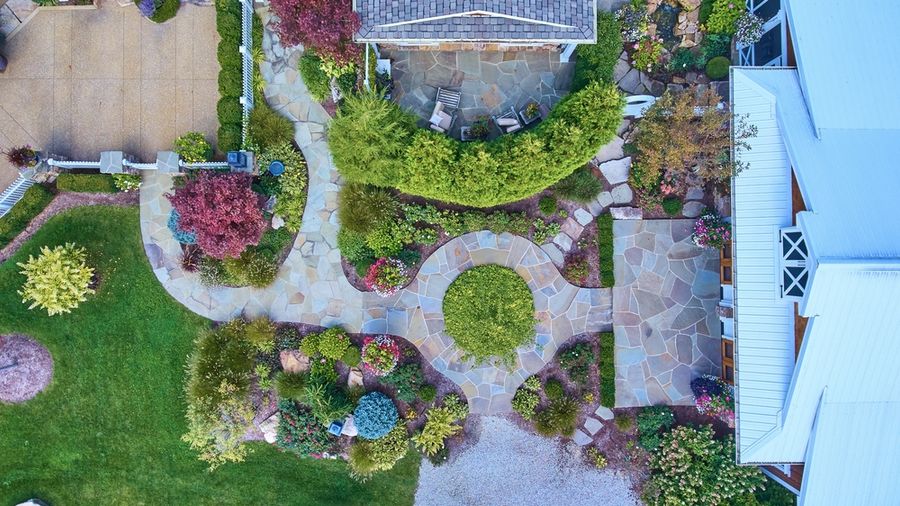
A backyard can have healthy grass and beautiful plants and still feel unfinished if nothing is giving the space structure. Hardscaping adds that missing framework. Paths, patios, edging, steps, and other built elements help define where one area ends and another begins. The right mix can make even a simple yard feel more intentional, polished, and easier to use, especially when the materials work naturally with the house and landscaping.
Define the Space With a Patio
A patio gives the backyard a clear focal point and creates a natural place for dining, lounging, or entertaining. Pavers, brick, flagstone, and poured concrete can all work, but the material should feel connected to the style of the home.
Size matters just as much as finish. A patio that’s too small can feel cramped, while one that takes over the whole yard may leave little room for greenery. Plan around the furniture you actually want to use, then leave enough space for people to move comfortably. Even a modest patio can make a yard feel far more complete because it establishes a clear destination instead of leaving furniture floating on grass.
Add a Path That Connects Key Areas
A path can make the whole yard feel more organized by linking the house, patio, garden, shed, or gate. Without one, people often create an accidental trail through the lawn, which can make the space feel less intentional.
Stepping stones, gravel, brick, and pavers all create different moods. A straight path tends to feel more formal, while a gently curved route feels softer and more relaxed. Keep the width comfortable enough for everyday use and make sure the surface is stable. A well-placed path doesn’t need to be elaborate. Its main job is to guide movement and visually connect different parts of the yard.
Use Edging to Sharpen Garden Beds
Clean edges can make planting beds look more polished almost instantly. Stone, metal, brick, or concrete edging helps separate lawn, mulch, gravel, and planting areas so the yard looks more deliberate.
The style should support the overall design. Metal edging can feel crisp and modern, while stone or brick works well in more traditional or cottage-inspired yards. Edging also helps keep materials where they belong, which can reduce the amount of cleanup after mowing or heavy rain. Even when the plants themselves are informal, a defined border gives the whole bed a stronger shape.
Create Levels With Steps or Low Retaining Walls
Changes in elevation can make a backyard more interesting, but they need structure to feel intentional. Low retaining walls, garden steps, or raised areas can help organize a sloped yard and create distinct zones.
Materials like stone, block, or timber can add texture while solving practical problems such as erosion or awkward grade changes. A low wall can also double as casual seating around a patio or fire area. The key is to keep the proportions comfortable and make sure drainage is handled properly. When level changes are designed well, they can turn a tricky yard into one of its strongest features.
Add a Gravel Area for Flexibility
Gravel is one of the easiest hardscaping materials to use when you want structure without the cost or permanence of a full patio. It works well for seating areas, paths, fire pit zones, and side yards where grass struggles to grow.
Choose a gravel size that’s comfortable underfoot and install a proper base so the material doesn’t sink into the soil. Edging helps keep it contained and gives the area a cleaner outline. Gravel also pairs well with pavers, stepping stones, and planting beds. Because it feels less formal than solid paving, it can soften a backyard while still giving the layout a finished look.
Frame Gathering Areas With a Fire Feature
A fire pit or built-in fire feature can give an outdoor seating area a strong center point. It helps organize furniture and makes the space feel purposeful, especially in a larger yard where seating might otherwise seem disconnected.
The surrounding hardscape matters just as much as the fire feature itself. Stone, pavers, or gravel can create a safe, defined zone and visually separate it from the lawn or garden. Check local fire rules and clearance requirements before building anything permanent. Even a simple setup can feel polished when the materials, seating, and scale work together.
Structure Is What Pulls the Yard Together
Hardscaping works best when it supports the way the yard is used rather than competing with the landscaping. A patio gives people somewhere to gather, paths guide movement, edging creates clean boundaries, and walls or gravel areas help organize difficult spaces.
You don’t need every feature at once. Start with the area that feels the most undefined and add structure there first. A single path, border, or patio can make the rest of the yard feel more intentional. When the hardscape and planting work together, the whole backyard starts to feel complete.