

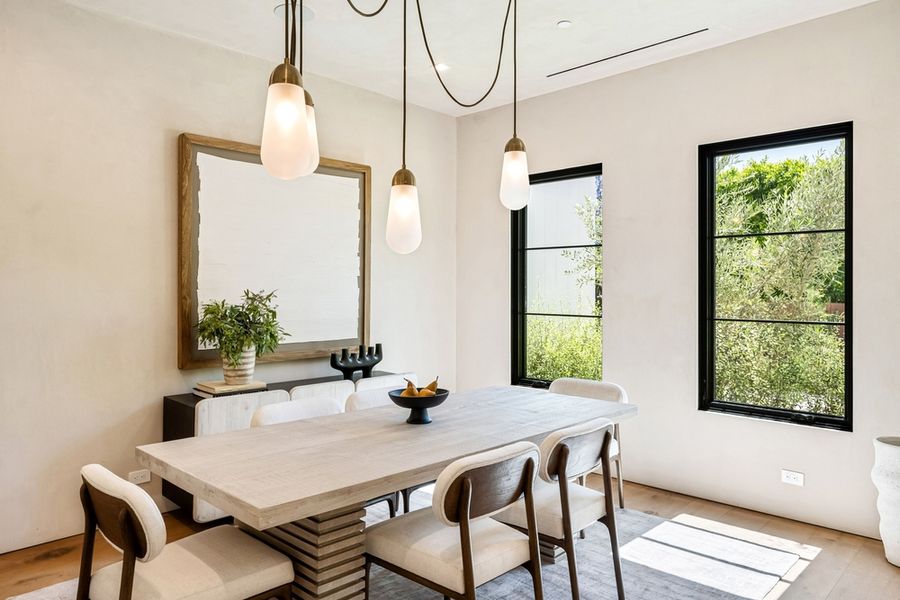
A polished home doesn’t always require a renovation budget. Some of the most noticeable upgrades come from small projects that sharpen the details, improve proportion, or add a more custom feel to an otherwise ordinary room. The key is choosing changes that have strong visual impact without demanding major construction. With a little planning, a few smart materials, and some patience, you can create a space that looks far more costly than it actually is.
Add Wall Molding for a Custom Look
Wall molding can make a plain room feel more architectural almost immediately. Picture-frame molding, chair rails, simple box trim, and vertical battens all add dimension without requiring major changes to the wall itself. The materials are often relatively affordable, especially when homeowners use lightweight molding or MDF rather than premium hardwood. Painting the trim and wall in the same color can also create a more seamless, high-end finish.
Good spacing matters more than ornate detail. Before cutting anything, map out the design with painter’s tape and step back to check the proportions. Symmetry usually gives the cleanest look, particularly in dining rooms, bedrooms, hallways, and entryways. A basic molding treatment can give the impression of custom millwork, even when the project only involves a few lengths of trim, adhesive, nails, caulk, and paint.
Upgrade Builder-Grade Lighting
Lighting fixtures have a huge influence on how finished a room feels. Swapping out a basic flush mount, dated chandelier, or generic vanity light can change the personality of a space without touching anything else. Statement pendants, oversized fixtures, and sculptural sconces often look far more expensive than their price suggests, especially when their scale suits the room.
Pay attention to proportion before buying. A fixture that’s too small can make a room feel unfinished, while one that’s appropriately sized tends to feel intentional. Kitchens and dining rooms are especially good places to make the change because lighting naturally draws the eye. Even a simple fixture can look more luxurious when paired with warm bulbs and a dimmer switch. For electrical work beyond a straightforward replacement, hiring a licensed electrician is the safer choice.
Upgrade the Hardware Throughout Your Home
Small hardware changes can have an outsized effect on how polished a room feels. Cabinet pulls, drawer handles, doorknobs, towel bars, hooks, and even closet hardware can make dated furniture and fixtures look much more current. Matching every finish isn’t necessary, but repeating a few complementary metals or styles throughout a space helps create a more intentional look.
Scale matters just as much as finish. Tiny pulls can make large drawers feel awkward, while oversized hardware can overwhelm narrow cabinets or furniture. Before replacing anything, measure the existing holes so you know whether new pieces will fit without drilling or patching. Updating hardware in a bathroom vanity, bedroom dresser, built-in storage, or hallway cabinet can be especially effective because the project is quick, affordable, and easy to spread across several rooms.
Replace Basic Interior Doors
Interior doors rarely get much attention, yet they occupy a surprising amount of visual space. Flat, hollow-core doors can make an otherwise updated room feel builder-grade. Replacing them with paneled, Shaker-style, or other simple architectural doors can give hallways and bedrooms a more substantial look.
Full replacement isn’t always necessary, either. Some homeowners add trim directly to flat doors to create the appearance of panels, then repaint the entire surface for a unified finish. Updating the handles at the same time can make the change feel even more complete. Black, brass, nickel, and other finishes can all work depending on the surrounding style. Because doors repeat throughout a house, even a modest upgrade can create a strong sense of consistency from room to room.
Use Paint in More Interesting Ways
Paint is one of the least expensive tools available, but it doesn’t have to stop at four walls. Painting trim, ceilings, doors, built-ins, or a single architectural feature can create a much more tailored effect. Color drenching, where walls, trim, and sometimes the ceiling share one shade, can make a room feel especially cohesive.
A restrained palette often helps inexpensive finishes look more intentional. Instead of introducing several unrelated colors, choose tones that connect naturally from one room to another. Deep colors can add drama to small spaces, while soft neutrals can make detailed trim and furniture stand out. Preparation is what separates a quick paint job from one that looks professional. Filling holes, sanding rough spots, cleaning surfaces, and using clean edges can make even basic paint feel like a much larger investment.
Dress Up an Entryway
An entryway sets the tone before anyone sees the rest of the home, and it doesn’t need to be large to make an impression. A fresh coat of paint on the front door, updated house numbers, better lighting, or a new door handle can create a noticeably more polished arrival. Indoors, a narrow console, mirror, runner, or simple wall hooks can make the space feel purposeful.
The best entryway projects combine appearance with function. Closed storage can hide shoes, baskets can contain everyday clutter, and a bench can provide a useful landing spot without overwhelming the space. Outside, replacing a worn doormat or adding matching planters can tie everything together. None of the individual pieces needs to be expensive. When the colors, finishes, and proportions work together, the entire entrance can feel much more considered.
A High-End Look Is Often in the Details
Expensive-looking homes aren’t always filled with costly materials. Often, they simply have details that feel deliberate. Well-scaled lighting, thoughtful trim, updated hardware, clean paintwork, and consistent finishes can change the way a room reads without requiring demolition or a major renovation budget.
The smartest projects are usually the ones that improve areas people see and use every day. Instead of trying to change everything at once, focus on one feature that feels unfinished or dated and build from there. A handful of carefully chosen upgrades can give a home more character, polish, and personality while keeping the budget firmly under control.